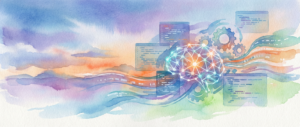
Technology is crashing into the arts with a force I’ve never seen before. Artificial Intelligence isn’t just knocking on creativity’s door anymore — it’s already inside, rearranging the furniture. Machine learning is becoming both the brush and the artist, and honestly, it’s pretty wild to watch this unfold. I want to explore how AI is helping and fundamentally changing the way we think about art and creativity.
Unleashing Creativity Beyond Human Boundaries
For centuries, humans have taken pride in their unique ability to create. From the cave paintings of Lascaux to the compositions of Beethoven, art has been our universal language, growing alongside us. But now AI is starting to speak this language too, and it’s doing so with surprising fluency.
Machine learning developments are creating incredible capabilities in art, music, and literature. Generative Adversarial Networks (GANs) can produce lifelike images that make you do a double-take. These machines generate art that really challenges whether creativity belongs only to humans.
With algorithms that learn from massive amounts of data, AI can copy styles, create new genres, and generate completely original works based on patterns it has learned. The implications are pretty mind-blowing. We’re looking at a renaissance in creativity that’s only possible with these digital minds helping out.
The Algorithms Behind the Paintbrush
The magic of AI-powered creativity comes from machine learning models like GANs, neural networks, and reinforcement learning algorithms. These models train on datasets packed with human-created materials — paintings, symphonies, plays — and they pick up patterns to generate works that look like what they’ve learned while adding completely new elements.
GANs, introduced by Ian Goodfellow in 2014, work on this fascinating concept that’s like a creative duel between two neural networks. One generates an image, the other critiques it, and through constant feedback, the AI gets better at creating. This back-and-forth has taken the art world by storm, making it really hard to tell human and machine-generated art apart.
When AI Puts the ‘Personal’ in Personalized Art
One of the coolest things about AI in art is how it can personalize creative works to your exact tastes. AI-powered platforms can now customize content — music or visual art — based on your personal preferences, creating something uniquely yours.
Picture an AI model trained on your favorite albums that generates new tracks fitting perfectly with your music library. Or think about a digital artist that learns your aesthetic style and creates custom artworks that match your personal taste exactly. This custom approach gives us a peek into the future, where art gets molded to fit exactly what you want.
The Democratization of Art Through AI
AI isn’t just expanding what’s possible in art creation — it’s also making creation tools accessible to everyone. Traditionally, getting access to high-level art resources like equipment, training, and platforms has been limited by money and connections. Machine learning is tearing down these barriers.
Tools like DeepArt, RunwayML, and Jukebox let amateur artists and musicians jump straight into creating without expensive gear or years of training. With just a laptop and internet connection, anyone can tap into AI’s power to release their creative potential.
AI as a Collaborator, Not a Replacement
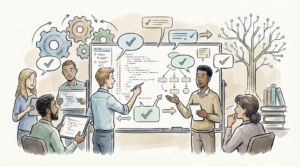
Despite AI’s growing creative abilities, I think it’s important to see these developments as collaboration, not competition. AI-driven creative systems work best as partners, offering new tools and expanding what artists can achieve.
Look at the work of artist Mario Klingemann or composer Aiva — both use AI in their workflow, treating these intelligent systems like painters use brushes or musicians use instruments. These AI tools become an extension of their craft, pushing the boundaries of human imagination and artistic expression.
Ethical and Philosophical Considerations
As we embrace AI in creativity, we need to keep ethical considerations front and center. There are real concerns about AI-generated works potentially infringing on copyright, and the autonomous nature of machine creations challenges our basic concept of authorship.
Since AI models train on existing works, questions about bias and diversity come up too. Making sure these digital artists get exposed to a wide range of cultural and creative influences is essential for fair and unbiased outputs. The conversation about AI and art also touches on deeper questions: what makes art actually art? And can a machine without experience and emotion truly create anything “real”?
Conclusion: Embracing the Fusion of Art and AI
The fusion of AI and arts represents an exciting chapter in both technological and cultural history. Machines enhancing and transforming the creative process challenge our assumptions and offer unprecedented opportunities for innovation. By embracing these advances, we can create a space where creativity has no limits, powered by the combination of human inspiration and artificial intelligence.
As we move forward, the key is maintaining balance — using AI as a powerful tool while preserving the essence of human creativity that has driven artistic evolution for thousands of years. This new horizon makes us think about the endless potential where art and artificial intelligence meet, inviting a new era where creativity gets completely redefined.
In this rapidly advancing world, one thing is clear: the future of creativity isn’t just bright — it’s algorithmically brilliant.